
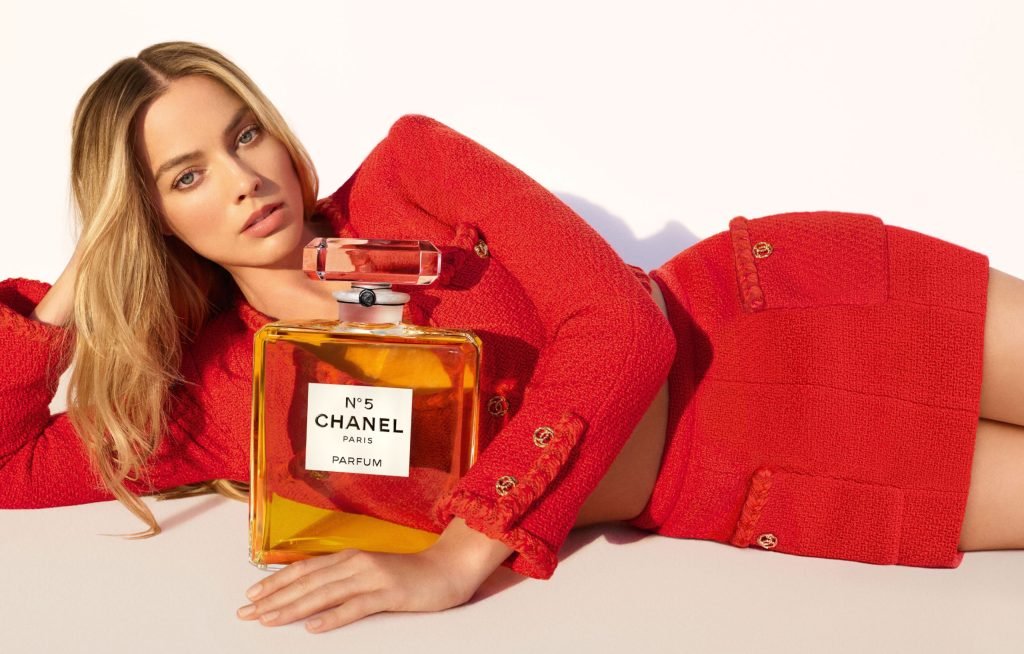
To understand Chanel No. 5, go to Pégomas, a few kilometres from Grasse, on a late-summer morning. From around seven o’clock, pickers move through rows of jasmine, taking each small white flower by hand. By early afternoon, they stop. The harvest follows that rhythm from August until October.
It takes around 8,000 flowers to produce a single kilogram of jasmine. The Mul family has grown perfume flowers in the region for generations, and since 1987 its partnership with Chanel has secured a dedicated supply for the house.
The Fields Behind No. 5
When Ernest Beaux created No. 5 in 1921, jasmine from Grasse became one of its defining natural materials. By the 1980s, local flower cultivation was under pressure from rising land values and cheaper production elsewhere.
Jacques Polge, then Chanel’s perfumer, responded by establishing an exclusive partnership with Joseph Mul in 1987. Chanel secured access to locally grown flowers, while the arrangement helped preserve cultivation in Grasse. The fields now produce jasmine, May rose, iris, tuberose and geranium for the house.
Jasminum grandiflorum grows elsewhere in the world in much larger quantities, but Grasse jasmine has a particular importance to Chanel. Olivier Polge, the house’s current perfumer, has described its character as delicate, with a distinctive green-tea facet.
Grasse itself has centuries of fragrance history. Its perfume industry developed from the town’s leather trade, when glove makers began scenting their products to disguise the smell of tanning. In 2018, UNESCO recognised the perfume skills of the Pays de Grasse, including flower cultivation, processing natural materials and perfume composition, as intangible cultural heritage.

Discover the house and its fragrances at the official Chanel website.
A Harvest That Still Depends on Hands
Jasmine is picked individually by hand in the morning and processed soon afterwards. The work depends on timing, experience and handling a flower delicate enough that the harvest still requires skilled hands. It is the same kind of knowledge we explored in Made by Hand: skills whose value lies in the people who have learned to practise them.
Chanel has made similar moves to preserve specialist knowledge elsewhere, most recently with its acquisition of Charvet on Place Vendôme. In Pégomas, the same instinct begins with the raw material itself. More than a century after No. 5 was created, its jasmine still begins in fields near Grasse, picked by hand during a harvest that lasts only a few months each year.
Featured photo: © Chanel