
Seasons run in opposite directions across the equator, and for a traveller, few places make that inversion more useful than southern Africa.
As Europe moves through spring and summer, the Sabi Sand Nature Reserve and Kruger National Park are heading into their dry winter season. From roughly May through September, rainfall drops, vegetation thins and wildlife becomes progressively easier to find. By August and September, conditions can be particularly good for game viewing.
The reason is straightforward. As the dry season progresses, temporary water sources disappear and animals begin to concentrate around permanent rivers and waterholes. Grass becomes shorter and the bush more open, giving guides better visibility than during the lush summer months.
Lion, elephant, buffalo and other species become easier to locate around reliable sources of water. Leopards remain less predictable, but Sabi Sand has long been renowned for the quality of its leopard sightings.
Why Sabi Sand Is Different
Sabi Sand shares a 50-kilometre unfenced boundary with Kruger National Park. The fences separating the two were removed in 1993, allowing wildlife to move freely through the wider Greater Kruger ecosystem.
That freedom of movement is paired with a very different safari experience inside the private reserve.
Sabi Sand’s lodges, including Singita’s properties, operate guided drives across private concessions where experienced guides and trackers can follow wildlife away from the main road network when conditions and reserve rules allow. That can make a considerable difference when tracking an animal such as a leopard through dense bush.


Years of guiding and tracking the same territories matter too. Individual leopards become known to teams over time, along with their ranges, habits and preferred routes through the landscape. The result is one of the reasons Sabi Sand has developed such a strong reputation for leopard viewing.

Learn more at Singita.
The Dry Season Trade-Off
Comfort does not disappear with the dry season, although early game drives can be surprisingly cold. Winter mornings and evenings require layers, while afternoons are generally warmer. The landscape changes too, with dry grasses, sparse trees and clearer sightlines replacing the dense green vegetation of summer.
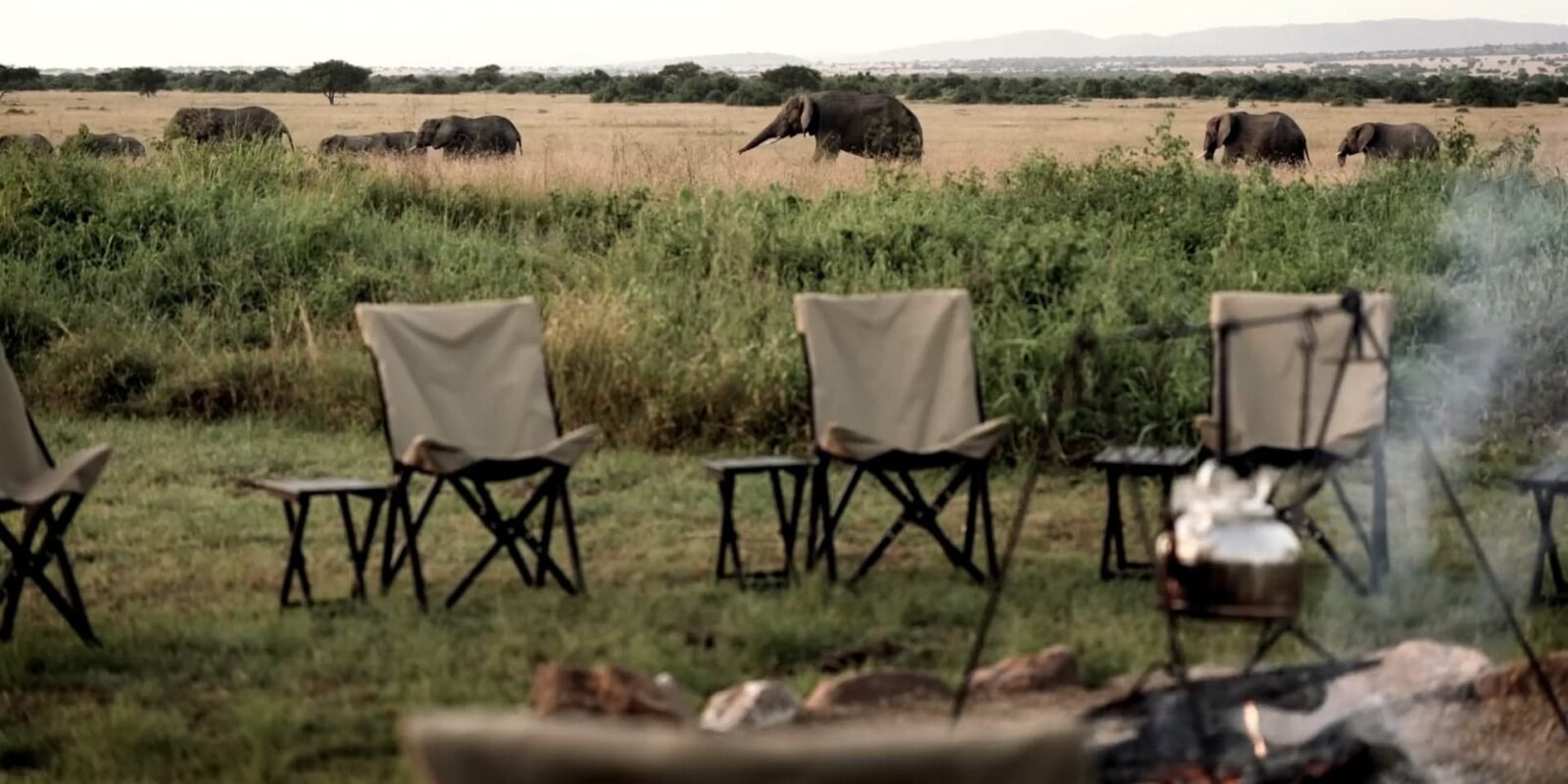
For photography, that openness can be an advantage. Animals are easier to isolate against the landscape, dust catches the low morning and evening light, and activity around permanent water can create long periods of concentrated wildlife viewing.
The green season, broadly from October into April, offers something entirely different. Summer rain transforms the bush, migratory birds return and young animals begin appearing across the reserve. Rates can also be more attractive at some lodges.
Game viewing remains excellent throughout the year, but tracking can become more challenging as vegetation thickens and water becomes widely available. Singita’s own reports from Sabi Sand describe this seasonal change clearly: as rain returns, the landscape becomes green and wildlife is no longer as dependent on a limited number of water sources.
The choice therefore depends on what matters most. The dry winter months generally bring easier wildlife viewing and clearer sightlines. The summer months bring a greener landscape, dramatic skies, abundant birdlife and the possibility of seeing newborn animals.
For a European traveller, the calendar creates an interesting opportunity. August and September, when much of Europe is still in late summer, coincide with some of the strongest dry-season viewing conditions in Sabi Sand. Later in the year, when Gstaad and Verbier begin moving towards ski season, southern Africa enters its green season, offering warm weather and an entirely different safari landscape.
The two escapes sit at opposite ends of the same seasonal logic. When the Alps are green, the African bush is dry. When the Alps turn white, Sabi Sand turns green.
Photos: © Singita