
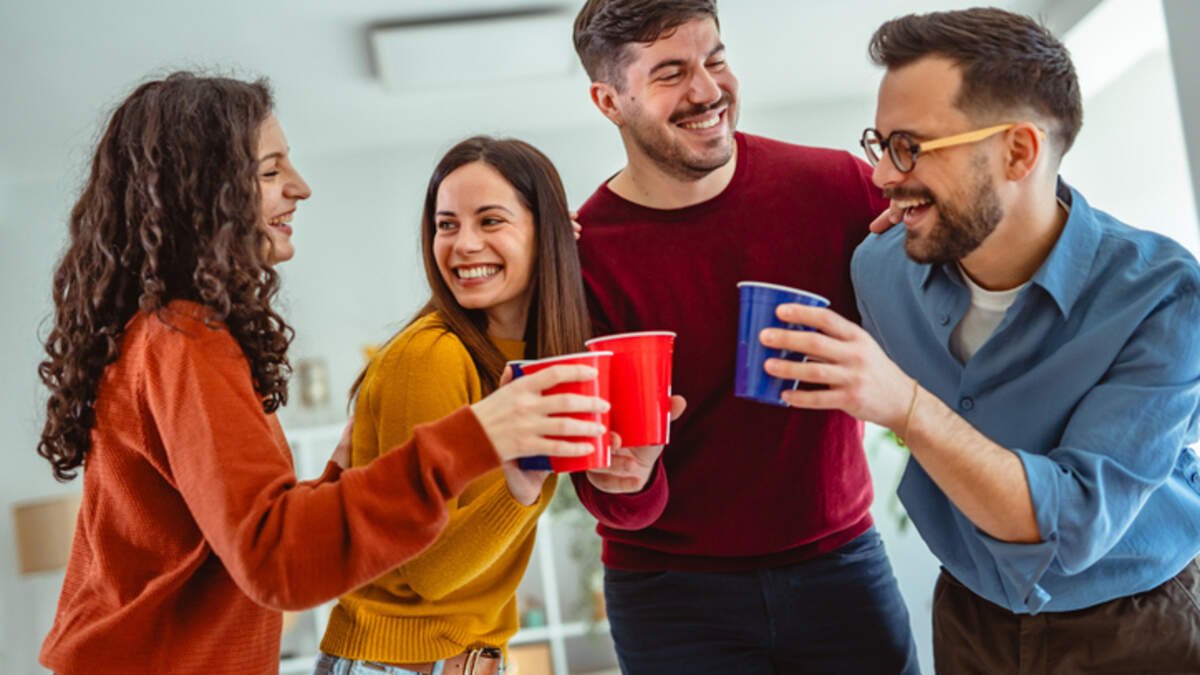
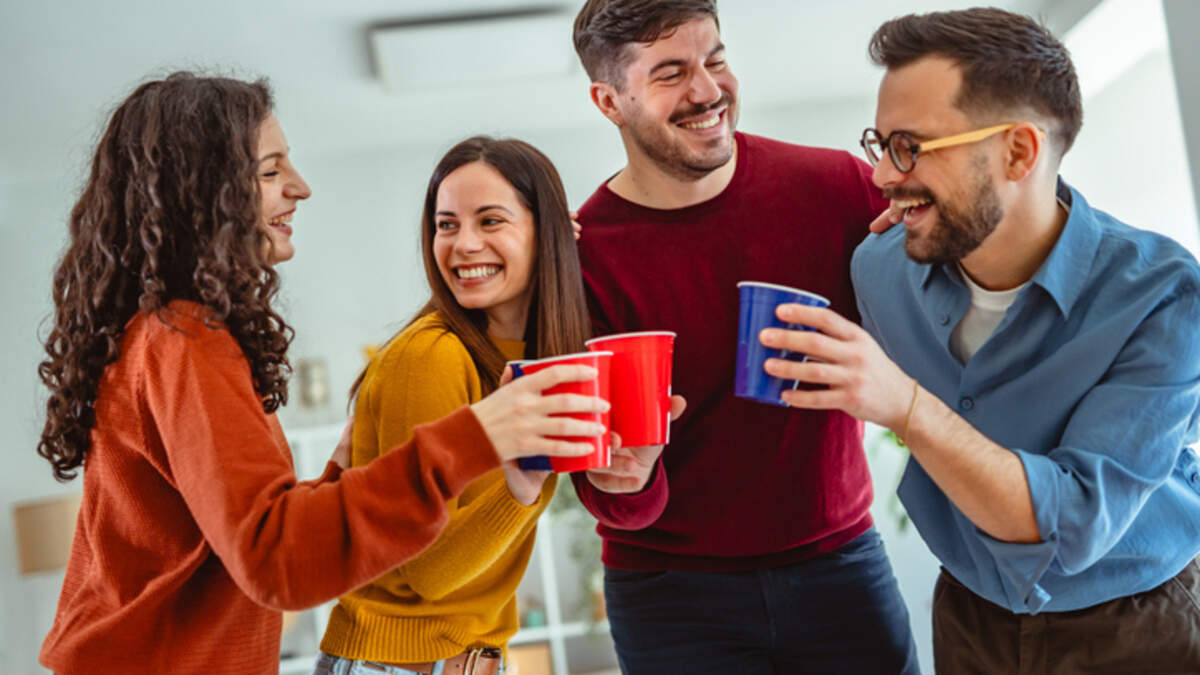
Coffee raves and sober morning events are bringing DJs, dancing and socializing into daylight hours.
Getty
The party is showing up before dark. Coffee raves, matcha-fueled dance floors and morning DJ sets are pulling nightlife into daylight hours, quietly answering a question that keeps trailing your generation. Why don’t Gen Z go clubbing? For a growing number of young adults, the answer isn’t that they stopped dancing. They just changed the schedule.
The trend, often called soft clubbing, is reshaping where and when people gather to move, socialize and hear live music. It’s popping up in Bay Area coffee shops, Italian bakeries and morning wellness festivals, bringing coffee, matcha and brunch along for the ride.
How soft clubbing works
Soft clubbing keeps the parts of nightlife you still want and moves them into spaces that open when the sun is up. Think live DJs, real dance floors and a genuine social scene, staged in coffee shops, bars, gardens and other daytime venues.
East Bay Times reported on daytime coffee-rave events across the Bay Area, including monthly coffee-fueled DJ sets hosted by 415 Coffee Club. In San Jose, Playback Coffee has hosted a pop-up party starting at 10 a.m., a start time that shows how early the format can go. Attendees at one San Jose coffee and matcha rave danced to DJ sets while drinking coffee and matcha rather than gathering in a traditional nightclub setting. Organizers frame the events as part of a broader group of sober-curious alternatives to traditional nightlife.
Why coffee and matcha are part of the party
Searches for how to make iced matcha aren’t the only place the drink is turning up. Matcha is also showing up at daytime coffee raves alongside live DJs and dancing. East Bay Times reported attendees sipping matcha lattes while dancing and socializing at a daytime San Jose event.
The shift isn’t limited to the United States. Vogue Italia describes soft clubbing as moving clubbing out of traditional nightlife venues and into places like bars, bakeries and gardens during morning and brunch hours. The same coverage describes cappuccino replacing cocktails as DJ sets and brunch come together in daylight. That framing puts coffee, matcha and brunch inside the format itself, not just next to it.
Why the wellness world is paying attention
Soft clubbing overlaps with a broader rise in communal, music-driven wellness experiences. The Global Wellness Institute identifies the “festivalization of wellness” as a 2026 trend that includes sober morning raves, music-driven wellness gatherings and multi-day wellness festivals.
The organization describes these experiences as reframing wellness as something people can experience collectively rather than only pursuing individually. Music, movement and community come together within these gatherings, with social connection positioned as part of the experience. That puts daytime parties inside a larger shift toward gatherings that mix music, movement and in-person community.
What it means for the “why don’t Gen Z go clubbing?” debate
The rise of soft clubbing helps answer the question by showing that plenty of young people haven’t given up on dancing or socializing. They’re just finding different places and times to do it.
“People still want to vibe, to dance, to have the energy to connect with other people,” event organizer Weiyean Chong told East Bay Times.
Attendees interviewed at the San Jose event described live music and coffee as part of the appeal, with some saying it was their first time at anything like it. The Bay Area examples include recurring events such as 415 Coffee Club’s monthly daytime DJ sets, showing the format isn’t a one-off. Soft clubbing changes the setting and the schedule while keeping music, dancing and face-to-face connection at the center.
This article was created by content specialists using various tools, including AI.